Impacts of UK's new North Sea gas drilling / Photo: © AFP

With wars in the Middle East and Ukraine putting pressure on global energy markets, Britain has approved drilling at a controversial North Sea gas field in a bid to strengthen its energy security.
The decision Wednesday to approve the Jackdaw site pits the Labour government's climate ambitions against pressure to boost domestic energy supplies and ease surging inflation.
- What is Jackdaw? -
Jackdaw is a gas field about 150 miles (240 kilometres) east of Aberdeen, owned by Adura, a joint venture between the UK offshore operations of Britain's Shell and Norway's Equinor.
The previous Conservative government approved drilling in 2022, before an environmental group challenged the decision.
A Scottish court last year ruled that approvals for Jackdaw and another project, Rosebank, failed to account for their indirect carbon emissions, meaning both had to reapply.
Now that Jackdaw has the green light, it is set to start supplying gas to homes and businesses within weeks, the government said.
"All the infrastructure is there, all the wells are drilled, it's ready to turn on," said Matt Cooper, senior vice president at energy consultancy Rystad Energy.
- Why is it controversial? -
Labour pledged before coming to power in 2024 that it would not approve any new drilling licences in the North Sea as it steers Britain away from polluting fossil fuels towards cleaner renewable energy.
But since becoming prime minister over the summer, Burnham has said that Britain must take a pragmatic approach to oil and gas extraction in UK waters.
"Even on our ambitious climate path, we'll still require oil and gas as part of our energy needs for decades to come," Burnham said Wednesday.
Pressure from the opposition Conservatives and from US President Donald Trump to open up new drilling had kept the issue in the spotlight.
- Will it bring down energy prices? -
Jackdaw is unlikely to significantly reduce household energy bills because UK gas prices are largely determined by international markets, exposing them to external shocks.
"It's true that it won't reduce prices and that's important to say upfront," Britain's energy secretary Miatta Fahnbulleh told BBC Radio 4.
Instead, she said that the "first key consideration was energy security", as the Middle East crisis reinforces the importance of "home-grown energy".
Jackdaw is expected to increase domestic gas production by around six percent at its peak.
"The field is expected to supply only a minuscule share of UK gas demand for a limited period," said Jess Ralston, analyst at the Energy and Climate Intelligence Unit, a non-profit research group.
The effect on electricity bills is also likely to be limited, as prices are often set by the high cost of gas-fired power plants, the last to be called on to meet demand.
- What are the environmental consequences? -
If British oil and gas consumption remains the same, developing the new North Sea fields would have little effect on overall emissions.
"There is a good case that gas from Jackdaw would displace more carbon-intensive imported gas, in which case it would reduce net global emission in the short term," said Michael Grubb, a professor of international energy and climate change at UCL.
However, that depends on "the composition of the extraction and the extent of cleanup", he added.
Environmental advocates counter that additional fossil fuel production can encourage more consumption and delay the energy transition.
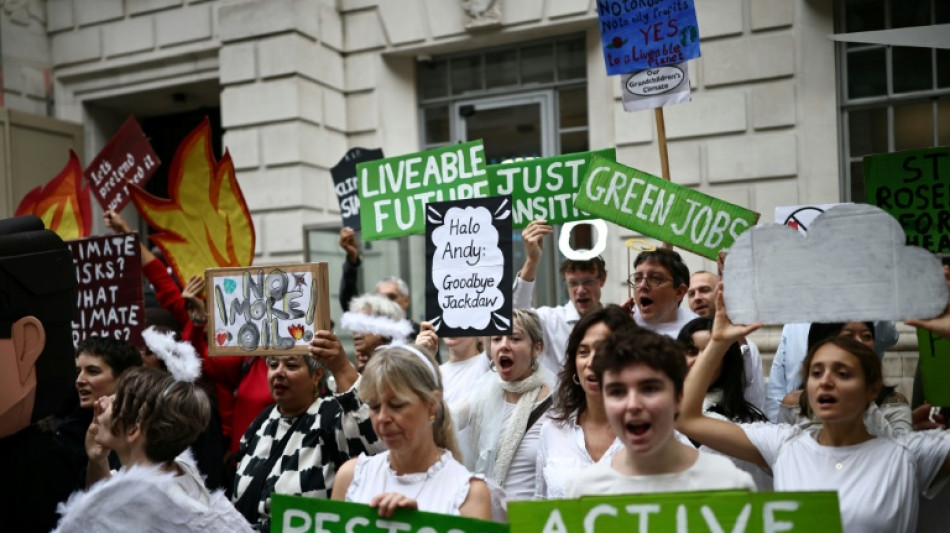
"The science is clear -- there can be no new oil and gas if we're to avert the worst of climate breakdown," said Friends of the Earth energy campaigner, Danny Gross.
Under UK law, greenhouse gas emissions indirectly generated by a business -- known as Scope 3 or downstream emissions -- must be taken into account.
P.Heller--NRZ